Saturday, November 26, 2016

Friday, November 25, 2016
Gluten-Free Sweet Potato Casserole Recipe
Gluten-Free Sweet Potato Casserole Recipe
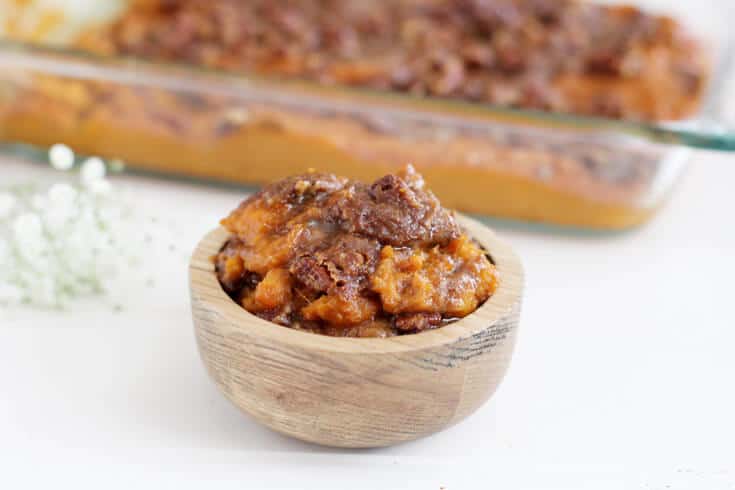
One of the tastiest vegetables that sees its peak in autumn, the nutrition-rich sweet potato is packed with a variety of vitamins and potassium. Plus it ranks much lower on the glycemic scale than regular ole potatoes, which makes this vegetable a great alternative to starchy carbs.
But many sweet potato recipes are often relegated to a side dish, the potatoes take center stage at the table in my Gluten-Free Sweet Potato Casserole recipe.
Gluten- and meat-free, this is a healthy, delicious alternative to the calorie-packed versions, made with all-natural ingredients — there are no canned potatoes here! It’s perfect to serve around the holiday season or anytime you’re feeding a crowd. And while it takes a few hours to prepare, the amount of hands-on time is so minimal, you’ll almost feel guilty about how easy this Gluten-Free Sweet Potato Casserole is — almost.Ready to get your sweet potato fill? Let’s get started.
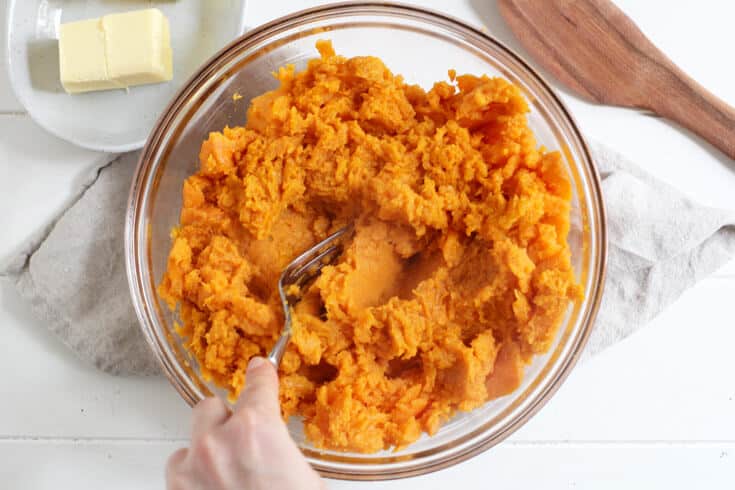
Preheat the oven to 400 F while you prick the sweet potatoes with a fork. This ensures the insides remain fluffy while baking and keep the potatoes from exploding in the oven. Place them in a baking dish and bake ’em for 60–90 minutes, until they’re cooked through and tender.When the potatoes are done, lower the oven temperature to 350 F — we’ll be back soon. After letting the sweet potatoes cool off, peel the skins then place the potatoes in a large mixing bowl.
Let out any aggression while you mash them up, then add in the coconut sugar, butter, coconut milk, vanilla, eggs and salt. Mix everything together until all ingredients are blended together.
Spread the mixture into a 9 x 13-inch baking dish. Now it’s time to get our hands dirty with this sweet potato casserole.
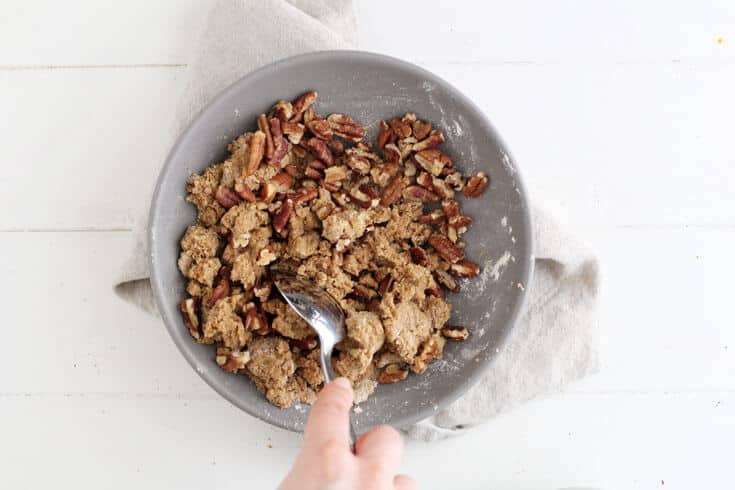
In a small mixing bowl, mix 1/2 cup of sugar with the gluten-free flour. Add 1/4 cup of butter and combine the ingredients with your hands until it resembles a crumble. Stir in the pecans. This is my favorite part of this dish.
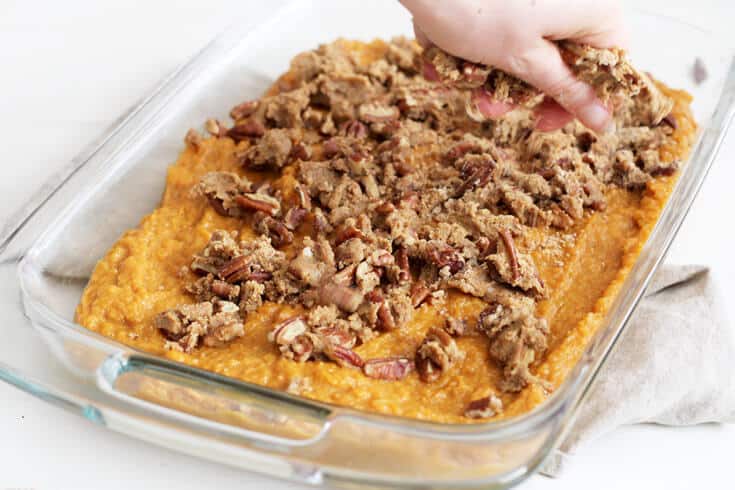
Spread the crumble over the sweet potatoes and bake for 30 minutes. Serve warm and enjoy.
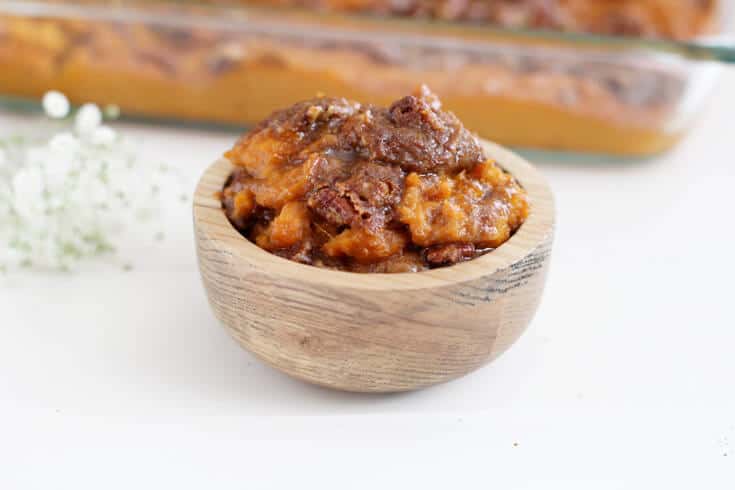
This Gluten-Free Sweet Potato Casserole is one of my favorite dishes to bring to holiday potlucks. It’s always a crowd favorite, and it really is so simple to make.
You can get the kids helping in the kitchen with this recipe, too. They’d be great at peeling the potatoes (once they’ve cooled) or preparing the crumble.
I hope this sweet potato casserole becomes a holiday favorite in your home like it is in mine!
Gluten-Free Sweet Potato Casserole Recipe
Total Time: 2 hours, 15 minutes
Serves: 8–10
INGREDIENTS:
- 4 pounds sweet potatoes
- 1–1/4 cup coconut sugar, divided
- 3/4 cup butter, divided and softened
- 1/4 cup coconut milk
- 2 eggs
- 1 teaspoon vanilla extract
- 1/2 tablespoon salt
- 1/3 cup gluten-free flour
- 1/2 cup chopped pecans
DIRECTIONS:
- Heat the oven to 400 F.
- Prick the sweet potatoes using a fork and slice sweet potatoes lengthwise.
- Place facedown on a baking sheet lined with parchment paper. Bake for 45 minutes or until easily pierced with a fork.
- Reduce the oven temperature to 350 F.
- Peel the sweet potatoes, place them in a large mixing bowl, and mash them with a fork or potato masher. Add 3/4 cup coconut sugar, 1/2 cup butter, and the coconut milk, eggs, vanilla and salt. Mix until well blended.
- spread mixture evenly into a baking dish or cast iron skillet.
- In a small mixing bowl, mix 1/2 cup coconut sugar and the flour. Add 1/4 cup butter and combine the ingredients with your hands until it resembles a crumble. Stir in the pecans.
- Spread the crumble mixture over the sweet potatoes and bake for 30 minutes. Serve warm.
Tuesday, November 22, 2016
How to Make Ghee
How to Make Ghee
Yes, anyone can make ghee! And, when made with grass-fed butter, the home process retains more nutrients than ghee made in a centrifuge in commercial products. Here is what you need to get started: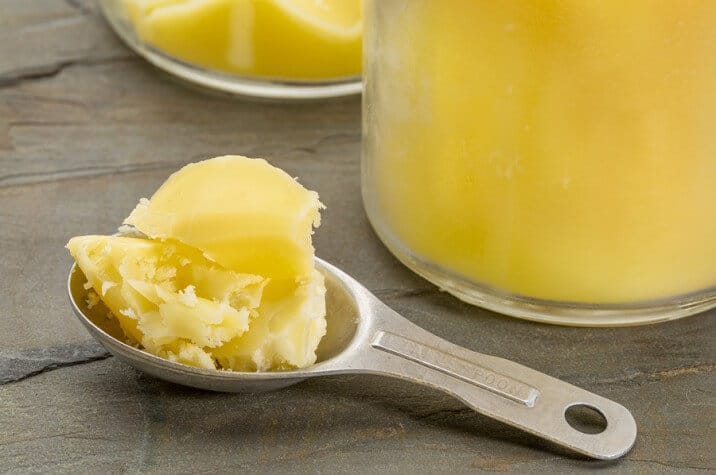
- 1 pound of grass-fed unsalted butter
- Deep, wide-bottomed skilled
- Wooden spoon or heat-resistant spatula
- Cheesecloth
- Mesh skimmer
- Mesh strainer
- Glass jar
Place one pound of butter into a deep skillet over medium-low heat and watch it melt. The key here is to initially melt the butter slowly. Do not try to rush this step. As the butter begins to bubble, it will spatter a bit. Stir with a long-handled spoon and maintain a simmer.
Continue to simmer, stirring occasionally, for 20-30 minutes until the milk proteins have separated from the gold liquid. There will be white foam on the top, and some bits of milk fats on the bottom of the pan. Gently skim the foam off with the mesh skimmer and discard. You may have another “foam up” stage, and this is good. Skim and discard once again. Now, the milk fats on the bottom of the pan will continue to brown. Again, this is a good thing – this is where the distinctive nutty flavor comes from.
Continue to simmer until they are golden brown, but not burnt. Keep a watchful eye because at this stage, the ghee can quickly burn. Remove from heat and allow to cool to room temperature. Place several layers of cheesecloth in the mesh strainer (or use nut milk bags) and slowly pour the butter into the jar. The result? A beautiful golden clarified butter that is liquid gold.
While it will firm up a bit at room temperature,keep in the refrigerator if you desire a spreadable ghee. Ghee will remain fresh at room temperature for several weeks, when sealed properly. It can last months in the refrigerator. Because fats tend to absorb other flavors, it’s essential that ghee is kept properly sealed whether in the refrigerator or on the counter.
How to Get Rid of Dandruff — 9 Natural Remedies
How to Get Rid of Dandruff — 9 Natural Remedies
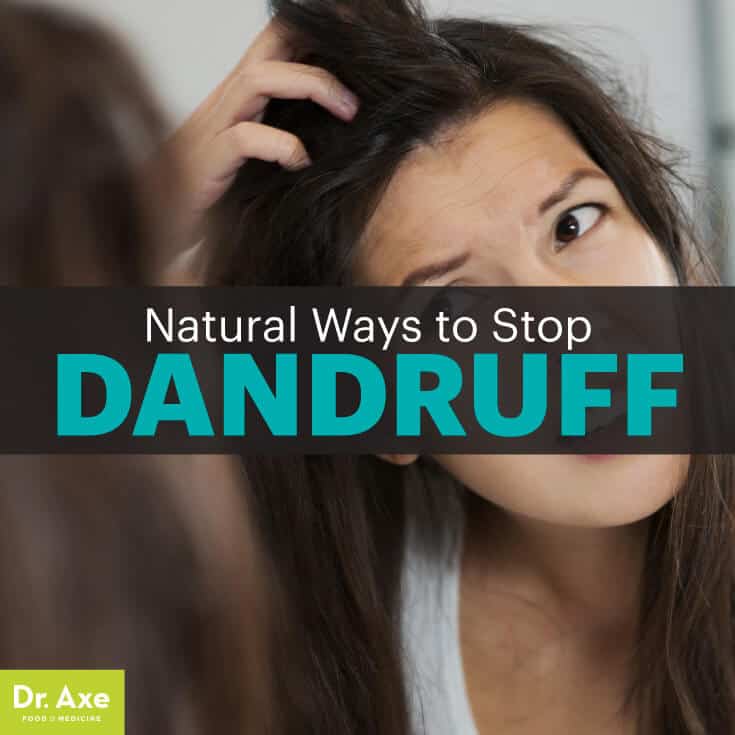
Most of us know dandruff as that flaky white stuff found on the scalp, or more embarrassingly, on the shoulders of your nice black sweater. But how to get rid of dandruff? That’s something that most of us, frustratingly, do not know.
Dandruff is more common than you may think, as most of us have had it at some point in our life. Dandruff is the result of the overproduction of dead skin, but it can also be caused by numerous other factors — such as winter air that produces dry skin, a vitamin deficient diet, and harsh chemicals found in unhealthy shampoos, even dandruff shampoos that are supposed to reduce the flakes!
Fortunately, I’m going to show you how to get rid of dandruff, the right way. Essential oils, DIY scalp masks, foods, supplements and more help get rid of dandruff. When you use these natural remedies I discuss below, those white flakes will be a distant memory.
What Is Dandruff?
Dandruff is a skin disorder affecting 50 percent of the world population and is linked with proliferation of lipophilic yeasts of the genus Malassezia. (1) American Osteopathic College of Dermatology tells us that dandruff is the shedding of excessive amounts of dead skin flakes from the scalp. There also may be a bit of itching, but typically no redness or scabbing.
Dandruff usually gets worse during the fall and winter because of the dry air while improving in the summer. It is caused by build-up of dead skin and in many more severe cases, a yeast-like organism aggravates it. While this germ is normally present on everyone’s scalp, it can produce some irritation if it grows heavily.
In a study by the Indian Journal of Dermatology, it was noted that the
debate on whether dandruff has to be treated as a disease or a disorder continues; however, dandruff is non-inflammatory in nature. The real cause for dandruff formation from the normal physiological spectrum of scaling is yet to be understood but it is a common scalp disorder affecting almost half of the population at the pre-pubertal age and of any gender and ethnicity making it clear that most people experience dandruff at some point in their lives. (2)
The study also indicates that there are several natural remedies (like using coconut oil for hair) that have been claimed to have anti-dandruff characteristics. In most cases, these naturopathic agents are often found in combination with synthetic agents. Studies from India have shown that the herbal preparations are as effective as synthetic substances in controlling dandruff.
Though it may seem contrary to popular belief, dandruff is improved when shampooing more often. Dandruff also gets worse when stressed or anxious and since dandruff is a natural process, it cannot be eliminated, but most often it can be controlled.
When scaling of the scalp is accompanied by redness, or when the redness and flaking spreads to cause greasy scaling on the face, eyebrows or sides of the nose, it may be diagnosed as seborrheic dermatitisa and related to severe dandruff conditions. (3)
Otherwise, have you heard of cradle cap? That is another name for dandruff that typically affects infants. But no need to worry. It’s completely harmless and usually clears up by age 3.
Symptoms & Causes of Dandruff
There are many causes of dandruff to include:
Dry skin. The most popular cause of dandruff is, in fact, dry skin. Usually, symptoms and signs of dry skin on other parts of the body, such as your legs and arms, will exist.
Oily skin (seborrheic dermatitis). Believe it or not, oily skin is one of the most frequent causes of dandruff. It is marked by red, greasy skin covered with flaky white or yellow scales. Also known as seborrheic dermatitis, it may affect your scalp and other areas rich in oil glands such as your eyebrows, sides of the nose and backs of the ears.
In addition, the breastbone, the groin area and armpits may be affected. Not shampooing enough can create oily skin. While it is important to not shampoo too frequently so that you can have a healthier scalp and hair from the natural oils that your skin produces, if you don’t regularly wash your hair, oils and skin cells from your scalp can actually build up and cause dandruff. Washing every 2–3 days is ideal in most cases.
Skin conditions. Those with eczema and psoriasis are often known to have dandruff since both of these conditions have characteristics of dry skin, often times severe and very irritating.
Yeast-like fungus (malassezia). While malassezia lives on the scalps of most adults, it may irritate the scalp. This irritation can cause more skin cells to grow and when that happens, the extra skin cells die and fall off, producing that white flakiness in your hair or on your clothes.
Hair care products. Because most hair care products contain chemicals ingredients, it can cause your scalp to become red, itchy and scaly. Shampooing too often or using too many styling products also may irritate your scalp and can also cause dandruff. (4)
9 Natural Remedies … for How to Get Rid of Dandruff
1. Drink Water

Often the lack of enough water in our bodies causes dry skin, and this is one of the many reasons to drink water! It is very important to drink plenty of water daily to help your overall health as well as the dryness of your skin and scalp.
2. Coconut Oil
Because coconut oil contains medium-chain fatty acids, including lauric acid and capric acid, it has strong antiviral, antimicrobial and antifungal properties. These properties help target and kill the fungus and any viruses or bacteria that may exist. In many, results can occur within just a week or so.
3. Essential Oils
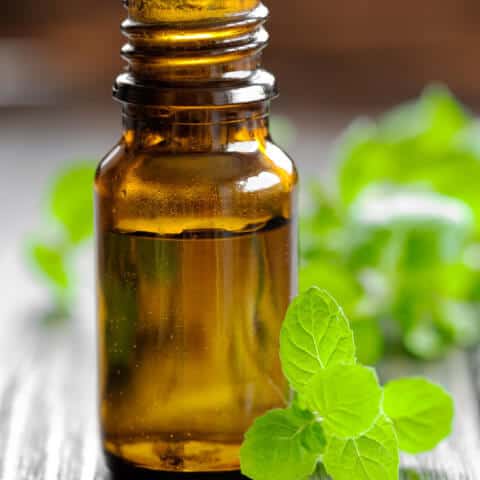
There are essential oils that can really make a difference. Because some of these oils contain antiviral, antibacterial and antifungal properties, much like coconut oil, they can reduce inflammation and treat infections. You will need to choose 100 percent pure oils such as lavender, wintergreen, thyme, lemongrass, evergreen, cypress, oregano and tea tree, all of which help to fight fungus and yeast.
A study was conducted of subjects between the ages of 20–60, all of whom had dandruff and reported that lemongrass essential oil significantly reduced their dandruff around day seven of use! (5)
You can take some of these oils internally, such as oregano oil, as long as it is 100 percent pure. Try combining 1–2 drops of oregano oil, lemongrass and lavender with 4–6 ounces of water to make a tonic that you can drink.
4. Aloe Vera Gel
Benefit-rich aloe vera has been known to soothe and help heal irritated skin. New York dermatologist Michele Green, MD, notes that in a small study, aloe eased itching and scaly skin in people with seborrheic dermatitis, a more severe skin condition that can create dandruff.
5. Olive Oil
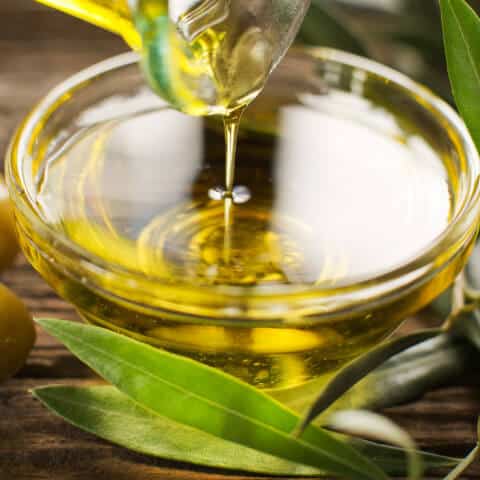
The olive oil (or coconut oil) in your kitchen cabinet can be very useful because it can temporarily remove dandruff flakes. Just apply a little bit of unrefined organic olive or coconut oil to scaly patches on the scalp. Let it sit for about an hour, then use a comb or brush to smooth out the hair.
If you apply too much, you will likely have oily hair and may need to shampoo. You can also add a few drops of the essential oils noted in this article and may benefit by including coconut oil in your diet. Just make sure it is unrefined and organic.
6. Relax
Skin irritations are often caused by depression, anxiety and stress. Try to pay attention to changes in your skin at these times and more importantly, try to avoid these feelings by implementing stress reduction behaviors and techniques. Try yoga, short walks or workouts, massage therapy and diffusing lavender, for example. (6)
7. Apple Cider Vinegar

It’s no surprise that apple cider vinegar uses (ACV) include being great for killing the fungus that causes dandruff. It is known to provide instant relief from itchiness and and may be your answer for how to get rid of dandruff with just a few applications.
Try combining equal parts ACV with water and massage onto the scalp. Let it sit for a few minutes and rinse. Repeat for 5–7 days and see if you notice a difference. If you experience any irritation, discontinue or use every other day for 7–10 days to see if there is improvement.
8. Probiotics
It is common that what you are eating could be part of the problem. Try a good, benefit-loaded probiotic. Not only can it help reduce dandruff, but it can help boost your overall health providing beneficial bacteria for your gut. (7)
9. Omega 3s
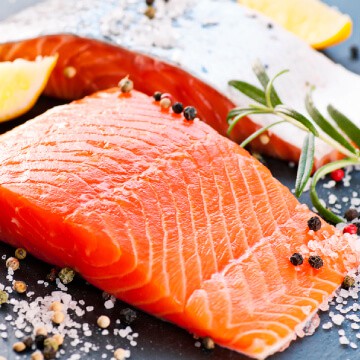
Add omega-3 foods into your diet such as from fresh, wild-caught salmon or chia seeds. The omega 3s can help provide much needed hydration for your skin from within; therefore, they may reduce dandruff.
In addition, deficiencies in vitamins, minerals and other nutrients found in omega 3s may increase the risk of getting dandruff. Fish oil may work as a dry scalp remedy for healthy skin and hair to combat dandruff. (8)
Recipe: Rosemary and Tea Tree Dandruff Hair and Scalp Mask
As I mentioned above, essential oils are great at helping to control dandruff because many have antibacterial properties. Try this recipe for another answer to how to get rid of dandruff!
It makes two to three applications. You can double the recipe and store in an airtight container for up to 10 days.
Ingredients:
- 8 drops cedarwood oil
- 8 drops rosemary oil
- 6 drops tea tree oil
- 1 teaspoon local honey
- 4 ounces olive oil, almond or coconut oil
Directions:
- Blend ingredients well in container.
- Massage into the scalp.
- Leave on for at least 20 minutes.
- For severe conditions, try leaving it on overnight.
- Shampoo well.
To Avoid Dandruff, Avoid These Things
Many commercial shampoos contain chemicals that are harmful, and dandruff shampoos are even worse. And within shampoos and hair products, make sure you avoid parabens, sodium laureth or lauryl sulfate.
For how to get rid of dandruff diet-wise, it’s important to minimize your sugar intake and to avoid processed foods and processed oils like corn, soy, canola, safflower and sunflower oil.
Read Next: Top 12 Argan Oil Benefits for Skin & Hair
Homemade Anti-Dandruff Shampoo with Coconut Milk
Homemade Anti-Dandruff Shampoo with Coconut Milk
No one wants to be embarrassed by those white flakes of dandruff that land on their beautiful black jacket, but it happens because it almost seems like an unsolvable mystery about how to get rid of dandruff. In large part, it’s because most of the so-called dandruff shampoos, while also full of chemicals and unhealthy ingredients, simply do not work.
Fortunately, finding an anti-dandruff shampoo solution that works for you may not be as difficult as you think, if you’re willing to do it yourself! But first, let’s explore why shampoos may or may not work so that you can make smart choices.
Dandruff, medically known as pityriasis capitis or seborrheic dermatitis confined to the scalp, is a disease that has been around for centuries despite the numerous treatments available. New anti-dandruff products frequent the market, almost daily, perhaps due to the widespread increase in the incidence. In fact, Head & Shoulders is one of the top-selling shampoos in the world. However, dermatologists have given little attention to this problem. Why is it so difficult to fight off this humiliating dandruff? (1)
Unfortunately, this nagging scalp disorder is rather common. Several studies across the world have shown a prevalence of dandruff of up to 50 percent in the general population. You would think that with such a large number, solutions would be available. (2) However, due to these chemicals that are found in most commercially bought shampoos, their effectiveness may be temporary.
The word itself has negative meaning having a combination of ‘tan’ meaning ‘tetter’ and ‘drof’ meaning ‘dirty.’ So, it makes sense that having the right shampoo should help. And while the real cause of dandruff is yet to be understood, there are some things you can do to ease the cringe-making effects they offer. (3)
Getting the anti-dandruff shampoo right is key. We know that most body and hair products out there have tons of toxic chemicals, and these cancer-causing chemicals can be incredibly ineffective too. It is confusing as to why these toxic chemicals in shampoos are even allowed to hit the shelves, knowing that they can negatively affect our hormones and cause lot of sickness. It’s probably no surprise that cosmetics has grown into a $50 billion dollar industry. (4)
To avoid this seemingly uncontrollable situation, you can simply make your very own anti-dandruff shampoo right at home with just a few ingredients. Keep in mind that the dandruff comes from the scalp, not your hair. That means it is important to gently massage this DIY dandruff remedy into the scalp as well as thoroughly washing your hair.
Fortunately, this recipe not only includes several dandruff-fighting ingredients, it’s also gentle enough to use several times a week.
Let’s start with your mixing bowl and a whisk. Combine the coconut milk, coconut oil and castile soap to start. Nutrition-rich coconut milk and coconut oil will help provide much needed nutrition for your hair and scalp. This nutrition will help build up the immune defenses as well as moisturize the hair and scalp.
Castile soap is a gentle vegetable-based soap derived from olive oil, water and lye that is biodegradable and non-toxic. While castile soap is gentle, it can help cleanse the scalp of excess sebum and product build-up.
Once the coconut milk, coconut oil and castile soap is well blended, add the water, apple cider vinegar and baking soda. It is a good idea to use purified water, such as an authentic spring water, to help avoid chemicals. The apple cider vinegar is great for eliminating the fungus and bacteria because it contains powerful enzymes. The baking soda can help slough off the dead skin due to its abrasive texture by acting as a mild exfoliate and fungicide.
Now, add the rosemary and tea tree oil. The rosemary oil will provide a nice scent and much more. Because dandruff is caused by fungi, it’s important to choose ingredients that can inhibit this fungi. That is why I chose rosemary and tea tree oil. Rosemary and tea tree oil essential oils contain antifungal properties and you may get the added benefit of hair thickening that these oils can provide!
And now for my favorite ingredient, fenugreek! Fenugreek is a plant most commonly used as a spice in Indian cuisine; however, fenugreek can do wonders for your hair and scalp. Fenugreek seeds have a composition that is rich in protein and amino acids. These nutrient-dense characteristics encouraging healthy hair, hair growth and can help ward off those disgusting flakes of dandruff. In particular, fenugreek has a high concentration of lecithin, which is a natural emollient. This emollient can help make hair stronger overall and provides many users of fenugreek with silky and soft locks.
Make sure all ingredients are thoroughly blended. Pour the mixture into a BPA free shampoo-like container with a lid, or you may use a glass jar if you prefer.
To use, simply wet the hair as you normally would for shampooing. Place a small amount in the palm of your hand and begin to blend it into the hair. Shampoo well and rinse. You may leave the mixture on your hair a little longer to gain the benefits of this natural remedy.
Try using every other day for best results. Shake bottle before each use. If you experience any discomfort or allergic reaction, stop using immediately. Consider doing a test patch prior to a full wash.
Homemade Anti-Dandruff Shampoo with Coconut Milk
Total Time: 10 minutes
Serves: 20–30 applications
INGREDIENTS:
- 1–1/2 cups (1 can) coconut milk
- 1/2 cup liquid castile soap
- 1/2 cup purified water
- 1/2 teaspoon unrefined coconut oil
- 1 teaspoon apple cider vinegar
- 1 teaspoon baking soda
- 20 drops rosemary essential oil
- 15 drops tea tree essential oil
- 1 tablespoon ground fenugreek seeds
- BPA-free plastic dispenser bottle
DIRECTIONS:
- Get out a mixing bowl and a whisk.
- Combine the coconut milk, coconut oil and castile soap to start.
- Once the coconut milk, coconut oil and castile soap is well blended, add the water, apple cider vinegar and baking soda.
- Add the rosemary and tea tree oil.
- Lastly, add the fenugreek and make sure all ingredients are thoroughly blended.
- Pour the mixture into a BPA-free shampoo-like container with a lid.
Subscribe to:
Comments (Atom)